How to Set a Bet Limit So One Bad Streak Does Not Spiral
A losing streak can make a sensible plan feel suddenly negotiable. One more hand, one higher stake, one deposit to get back to even: that is how a short session can turn into a costly night. A limit cannot make gambling predictable, but it can put a firm boundary between a bad run and a bigger problem.
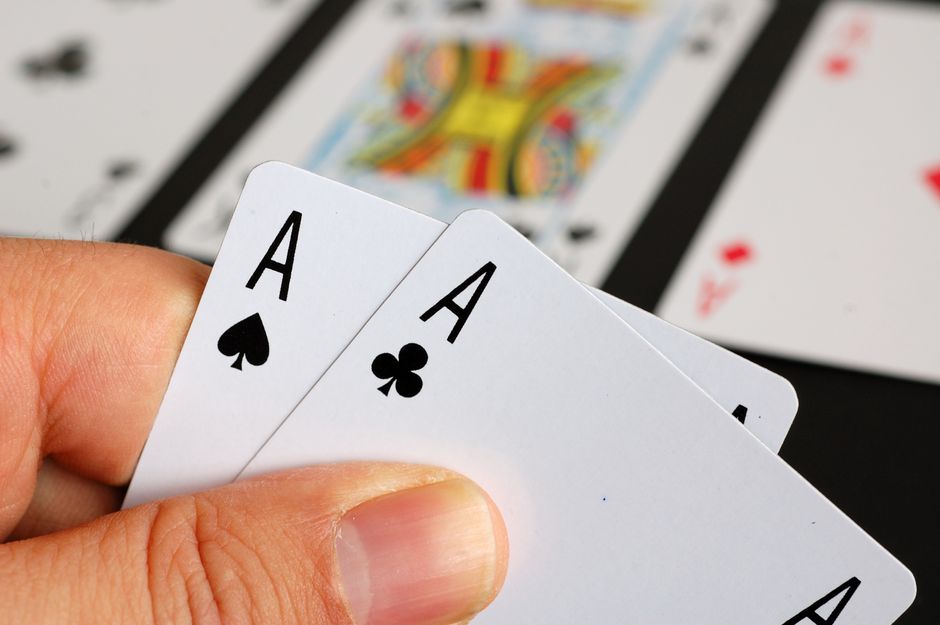
Good bet limit settings are decided before you play, when you are calm—not adjusted during a session because you feel unlucky or due for a win. This guide explains how to set spending and loss limits, choose limits that fit different games, and use the tools on mobile phones and tablets without letting convenience work against you.
Start with Norway’s gambling reality
Norway has a strict gambling environment and relatively limited land-based options. There is no ordinary network of commercial casinos where people can drop in for a game of roulette or poker. Licensed gambling is tightly regulated, with Norsk Tipping and Norsk Rikstoto operating under Norwegian rules for their respective offerings. Poker also has a particular place in Norwegian culture: for many people, a home game or televised tournament is their first contact with gambling.
That cultural familiarity should not be confused with immunity to risk. Poker involves decisions and skill, but it still includes chance, financial risk, and the possibility of losing more than planned. And casino games such as slots, roulette, and many table games are not made “skill-based” simply because a player can choose when to bet. The house edge and game rules matter.
Online casino access adds another factor: convenience. A game can be available at any hour, on a phone in the living room or a tablet in bed. A language toggle, saved payment details, or a quick deposit button can make it easy to begin—and, in a difficult session, easy to continue. Before using any gambling site, check whether it is authorized to offer gambling to people in Norway and understand the applicable rules. A familiar brand name or Norwegian-language page is not, by itself, proof of authorization.
Know what your limit is meant to control
People often use “bet limit” to mean several different things. It helps to separate them. A stake limit caps the size of an individual bet. A deposit limit caps how much money you can add over a chosen period. A loss limit sets the maximum amount you are willing to lose in a session or period. A time limit controls how long you play.
For preventing a bad streak from spiraling, a loss limit gambling plan should work alongside a deposit limit and a time limit. A stake cap alone may not help if you keep playing for hours. A deposit cap may not protect you if you have already deposited enough for an uncomfortable loss.
Limit type What it controls Useful question to ask Stake limit Size of each bet or wager What is the largest single bet I can comfortably afford? Loss limit Total amount you are willing to lose At what loss will I stop, even if I think I can win it back? Deposit limit How much new money you can add over time What can I afford to spend on gambling this week or month? Time limit Length of a session When will I stop, regardless of whether I am winning or losing?Set the number before you open a game
A workable limit starts with your household budget, not with a game’s minimum stake. First cover essentials such as housing, food, bills, transport, debt payments, and savings. Do not treat credit, borrowed money, or money set aside for necessities as a gambling budget. If there is no genuinely spare amount, the appropriate limit is zero.
Next, choose a fixed amount for a defined period—such as a week or month—and decide how much of it you are willing to lose in one session. The session loss limit should be low enough that reaching it does not affect bills, sleep, or your mood the next day. It is not a target to spend; it is a stop line.. Pretty simple.
- Write down your entertainment budget. Use money left after essential expenses, and keep it separate from bill money.
- Choose a maximum session loss. Pick an amount you can accept losing in full without trying to recover it.
- Set a stake ceiling. Make the maximum individual bet fit comfortably inside that session limit.
- Set a time to stop. Choose an end time before you start, whether you are ahead or behind.
- Use available account controls. Set deposit, loss, or time limits where the platform offers them. Check how long a reduction or increase takes to apply.
- Keep the limits unchanged during play. Review them later, not while emotional or chasing a result.
Platform controls vary. Let me tell you about a situation I encountered was shocked by the final bill.. Some take effect immediately; some increases may involve a waiting period, while decreases may apply sooner. Read the actual terms and account settings rather than assuming. On a phone, small labels can be easy to miss, so check the confirmation screen and make sure the new limit is active. A tablet or desktop may be more comfortable for reviewing long terms, while a phone is handy for checking your balance or setting a reminder. The key is to verify the setting, not just tap through the flow.
Match limits to the game’s risk profile
Different games create different patterns of spending and attention. A poker session may involve a buy-in and a long stretch of decisions. Slots can produce rapid repeated wagers, while roulette and other table games can make it tempting to increase stakes after losses. These differences do not make one format automatically safe. They do mean you should think about pace, volatility, and how easily you can keep wagering.
Poker: decide your buy-in and quit point
I'll be honest with you: poker can feel familiar to people who learned the game through friends, clubs, or televised events. Its strategic decisions can also make a cardplayerlifestyle.com loss feel like a problem you can solve by playing longer. Set a buy-in limit before joining, and do not reload after reaching your loss limit. If you are studying strategy, educational material from PokerCoaching may help explain concepts, but study does not remove variance or guarantee profit. Keep learning separate from the decision to risk more money.
Casino games: account for pace and repeated bets
For fast games, set a small stake and a session cap that reflects how quickly wagers can add up. Do not rely on a lucky streak, a bonus, or a near miss to justify raising your limit. A game’s presentation can be engaging, but it does not change the underlying odds. Read the rules and payout information, and remember that most casino games are designed with a house edge.
Promotions: treat them as terms, not extra budget
Offers discussed on sites such as Kongebonus may come with eligibility conditions, wagering requirements, game restrictions, or withdrawal rules. Check the terms directly and do not count bonus funds as cash you can safely lose—or as a reason to deposit more. Promotional language can make an offer feel like a deadline. Your budget should not change because a promotion is about to expire.
Use a simple stop rule for a bad streak
In a home game, I found it useful to agree on the stopping point before anyone dealt the first hand. Online, I use the same habit: the limit is not up for debate once play starts. I also keep a personal rule to stop at a set time, even when I am winning. A good run can make it just as easy to overstay as a bad one.

- When you reach your loss limit, close the game and do not deposit again to recover.
- Do not raise stakes to get back to even.
- Take a break if you notice irritation, urgency, or a desire to hide how much you have spent.
- Do not borrow, use credit, or move money from essential expenses to continue.
- Record your session result honestly, including deposits and withdrawals.
A practical cue can help: set an alarm for your planned stop time, and use a separate reminder for the loss limit. On mobile phones and tablets, notifications can be silenced or dismissed, so make the stop action deliberate: log out, close the app or browser, and put the device away. If the game is open on your phone, switching to another app is not always enough to break the habit.
Make limits harder to override
The best limit is one that is inconvenient to change in the heat of the moment. Use account tools where available, and consider removing saved payment details or turning off marketing notifications. Keep gambling apps off your home screen if their one-tap access encourages unplanned play. On a tablet, logging out after each session can add a useful pause; on a phone, disable promotional push alerts if they draw you back in.
Be especially cautious with deposit flows. Notice whether the site presents a default amount, remembers your last deposit, or places the confirmation button close to other controls. Pause to check the amount and currency before confirming. Small interface details matter when you are tired or frustrated.
Do not treat a limit as a challenge to work around. If you are repeatedly increasing limits, opening new accounts, or looking for another way to deposit, that is a sign to stop gambling and seek support. Take a break, speak with someone you trust, and contact a qualified gambling-support service in Norway for confidential guidance. If gambling is affecting your finances or wellbeing, getting help is a practical next step—not a failure.
A quick check before you play
Check Ready to play? Can I lose this money without affecting essentials? Yes / No Have I set a session loss limit and a stake cap? Yes / No Do I know exactly when I will stop? Yes / No Am I playing to enjoy the activity rather than recover losses? Yes / No Have I checked the operator’s status and relevant terms? Yes / NoThe point of a limit is to keep your choice intact
Responsible gambling is not about finding a perfect number that makes losses harmless. It is about deciding in advance what you can afford, making that decision easy to follow, and stopping when the boundary is reached. Norway’s strict environment, limited land-based options, and the always-open convenience of online play make it especially important to check where you are playing and how quickly you can add funds.
Set bet limit settings before the first wager. Keep a loss limit gambling plan alongside deposit and time limits. Whether you are playing poker or a casino game, a bad streak is not a reason to rewrite your budget. Close the session, keep your stop time, and return only if it still fits within the plan you made while calm.